
Understanding the Landscape of Sports Broadcasting
In today's dynamic world of entertainment, Sports Broadcasting has evolved from traditional media to a multifaceted arena. This transformation reflects not only the advancements in technology but also the changing preferences of audiences. This article delves deeply into the history, current trends, technologies, storytelling elements, production best practices, marketing strategies, and measurement metrics essential for thriving in the sports broadcasting industry.
History and Evolution of Sports Broadcasting
The roots of sports broadcasting can be traced back to the early 20th century, with radio transmissions of sporting events. As the phenomenon of sports progressed, television became the predominant medium, revolutionizing how audiences consumed live sporting events. The first televised sports event, a college baseball game, took place in 1939, but it wasn't until the advent of cable television that sports broadcasting saw a significant boom. This popularity further escalated with the introduction of satellite broadcasting in the 1990s, enabling a global reach.
The onset of the digital age during the 2000s spearheaded the next transformative phase. Streaming services and online platforms emerged, allowing viewers to engage with sports content on-demand. Combining live broadcasts with interactive features facilitated real-time engagement, setting the stage for the advanced dynamics of sports broadcasting we witness today.
Current Trends in Sports Broadcasting
Understanding current trends is vital for content creators and broadcasters alike. Here are several major trends shaping the sports broadcasting landscape:
- Streaming Services: With the decline of cable subscriptions, platforms like ESPN+, Amazon Prime, and others are reshaping how sports are consumed, prioritizing convenience and accessibility.
- Augmented Reality (AR) and Virtual Reality (VR): These technologies enhance the viewing experience, offering immersive content that brings fans closer to the action.
- Audience Engagement: Interactivity with fans through social media and live polls increases viewer investment and experience.
- Esports Integration: Traditional sports broadcasting is beginning to include esports, acknowledging its rising popularity among younger demographics.
Key Technologies Shaping Sports Broadcasting
The technological innovations driving sports broadcasting forward include:
- 4K and 8K Resolution: These technologies provide breathtaking visuals, allowing for a more immersive experience.
- Data Analytics: Advanced analytics are being integrated into broadcasts to provide richer insights into performance and player statistics.
- Mobile Applications: Sports apps deliver real-time updates, live streaming options, and personalized content, catering to on-the-go viewers.
- Drone Technology: Drones are increasingly used to capture aerial footage of events, offering unique perspectives previously unavailable.
Creating Compelling Sports Broadcasting Content
Importance of Storytelling in Sports Broadcasting
Storytelling is at the heart of effective sports broadcasting. It transforms data and statistics into narratives that resonate with audiences. For example, covering an athlete's journey through adversity not only engages viewers emotionally but also amplifies their connection to the sport. Broadcasters who succeed in crafting compelling narratives are more likely to retain viewership and foster loyalty among their audiences.
Integrating Statistics for Deeper Engagement
The integration of statistics into sports broadcasts can enrich the viewing experience. Armed with analytics, broadcasters can provide play-by-play insights that enhance audience understanding and enjoyment. Viewers are increasingly interested in statistics that unveil deeper trends, outperformances, and key moments within games. Using visual aids like infographics or real-time data feeds can also effectively convey complex statistics.
Utilizing Audience Feedback in Content Creation
Engaging with audiences and incorporating their feedback is essential in today’s sports broadcasting landscape. Social media platforms provide a unique opportunity for audience interaction. By monitoring viewer comments and preferences, broadcasters can adjust their content to better meet audience expectations. Moreover, conducting surveys and polls can yield valuable insights into viewer interests and enhance content relevancy.
Best Practices for Sports Broadcasting Production
Studio Setup and Equipment Essentials
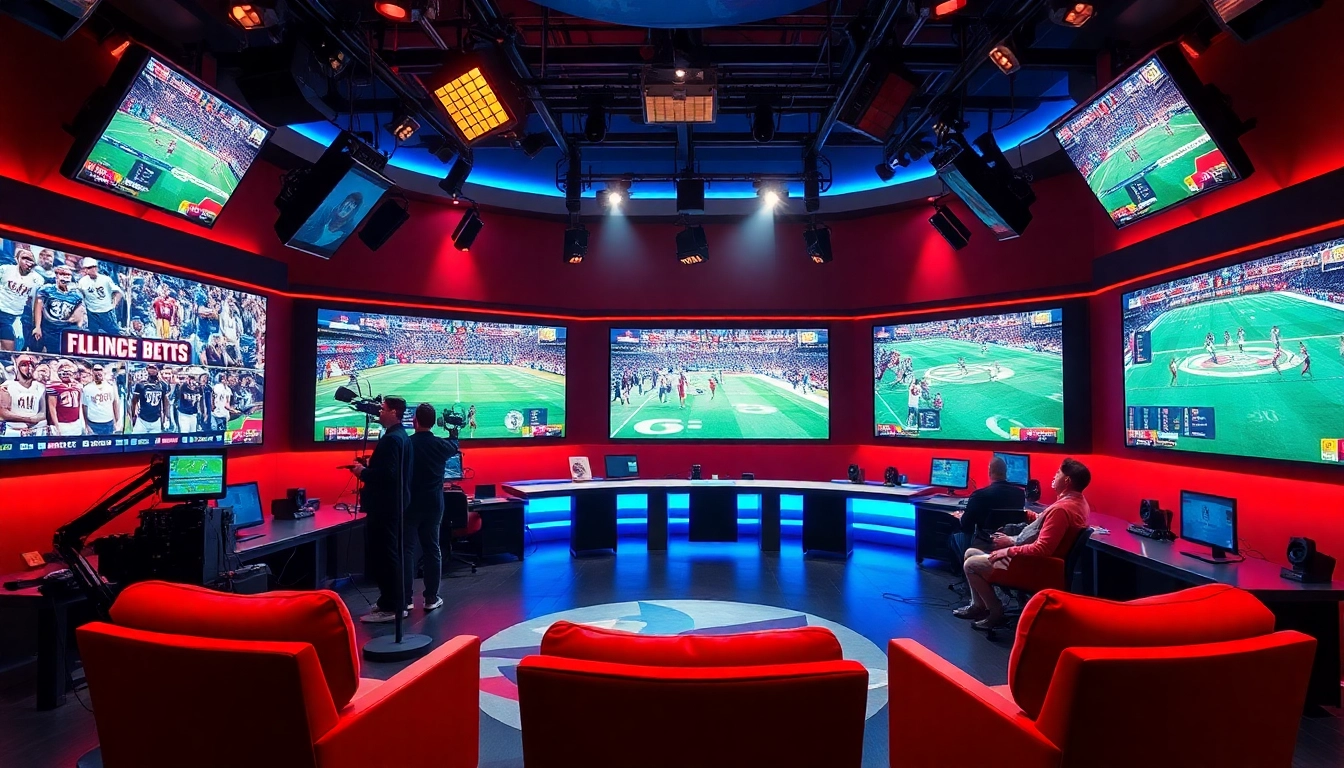
An optimal studio environment is fundamental to successful sports broadcasting. Essential equipment includes high-definition cameras, professional audio systems, and efficient lighting setups to ensure a polished look and feel. Additionally, the use of high-performance graphics software allows for real-time score updates and advanced visualizations during live broadcasts, enhancing the overall production quality.
Role of Hosts and Analysts in Sports Broadcasting
Hosts and analysts play a crucial role in engaging viewers and delivering insightful commentary. Effective hosts convey energy and authenticity, drawing viewers in and creating a connection. Analysts, on the other hand, are tasked with breaking down plays and providing tactical insights. They must effectively communicate complex information in an accessible way to keep the audience engaged while providing value.
Adapting to Live Events and Unexpected Changes
In live broadcasting, adaptability is key. Technical issues, weather changes, or unexpected game developments may necessitate quick adjustments in production. Training staff to remain calm under pressure and develop contingency plans in advance can significantly enhance a team’s ability to handle unforeseen circumstances, ensuring smooth broadcasts.
Marketing and Promotion in Sports Broadcasting
Building an Audience Through Social Media
Social media has become a powerful tool for sports broadcasters to engage with audiences. Creating shareable content, behind-the-scenes footage, and engaging with fan comments can cultivate a loyal following. Regularly scheduling interactive sessions, such as Q&A with hosts or analysts, also encourages viewer participation and fosters community among fans.
Collaborating with Influencers and Athletes
Partnering with influencers and athletes can amplify reach and credibility in sports broadcasting. These figures typically have dedicated fan bases, which broadcasters can tap to enhance their visibility. Employing influencer marketing strategies, such as social media takeovers or collaborative event promotions, can create buzz around broadcasts and draw in larger audiences.
Engagement Strategies for Special Events
Special events such as championship games or season openers offer unique marketing opportunities. Creating corresponding promotional campaigns, including countdowns, teasers, and exclusive interviews, can heighten excitement and ensure viewership. Additionally, leveraging cross-promotions with relevant brands can add value and recognition to the sports broadcast, potentially attracting new viewers.
Measuring Success in Sports Broadcasting
Key Performance Indicators for Sports Broadcasting
Identifying key performance indicators (KPIs) is essential for evaluating the success of sports broadcasts. Metrics include:
- Viewership numbers: Monitoring live audience counts alongside total views post-broadcast.
- Engagement rates: Tracking social media interactions, such as shares, likes, and comments.
- Advertising revenue: Evaluating income generated from advertisements before, during, and after broadcasts.
- Subscription growth: Measuring increases in subscriptions to streaming services or channels offering sports content.
Analyzing Viewership Data and Trends
Regularly analyzing viewership data enables broadcasters to identify patterns in audience preferences and habits. Understanding what demographics engage most with certain types of content can inform future programming and marketing strategies. This data-driven approach is vital for aligning content with audience interests and enhancing overall effectiveness.
Adjusting Strategies Based on Performance Metrics
Performance metrics provide invaluable insights that can inform strategic adjustments. For instance, should viewership drop during specific segments, it might prompt a reevaluation of content presentation or scheduling. Continuously refining strategies based on comprehensive data analysis ensures that sports broadcasters can meet viewer expectations and adapt to a rapidly changing environment.
Frequently Asked Questions
What is sports broadcasting?Sports broadcasting refers to the live or recorded transmission of sporting events through television, radio, or digital platforms.How has technology impacted sports broadcasting?Technology has revolutionized sports broadcasting, enabling live streaming, instant replays, enhanced visuals, and audience engagement through social media.What are key trends in sports broadcasting today?Current trends include the rise of streaming services, use of augmented reality, audience interactivity, and the integration of esports in traditional broadcasting.How can content quality be improved in sports broadcasting?Improving content quality in sports broadcasting involves effective storytelling, incorporating viewer feedback, and utilizing high-quality production standards.What metrics are used to measure success in sports broadcasting?Success in sports broadcasting is measured using metrics such as viewership numbers, audience engagement rates, social media interaction, and advertising revenue.